

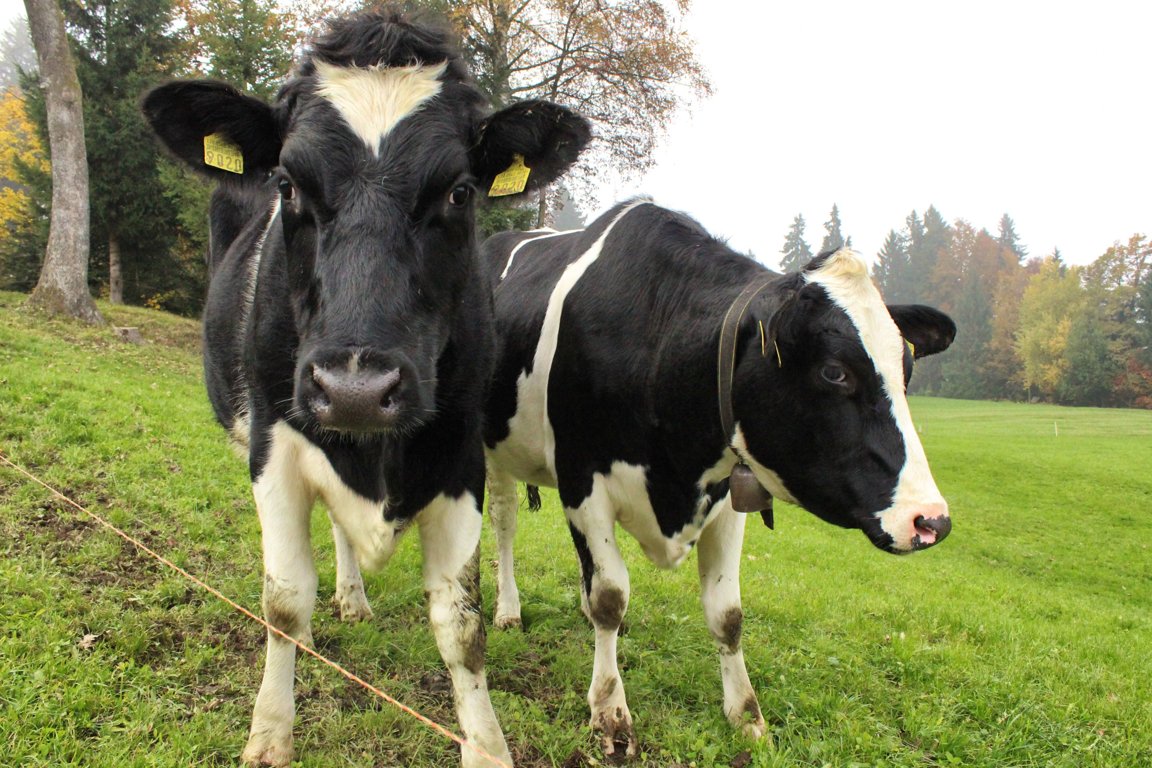
Research at the University of Sydney has shown that cows maintain individual voices in a variety of emotional situations.


 Posts
All Comments
Posts
All Comments


 Posts
All Comments
Posts
All Comments

 Amid concerns about gluten sensitivity, increasing numbers of people are avoiding wheat. Most have not been diagnosed with a wheat-related medical condition, yet they seem to feel better when they don't eat gluten-containing foods.
  As the number and technology of humans has grown, their impact on the natural world now equals or exceeds those of natural processes, according to scientists.
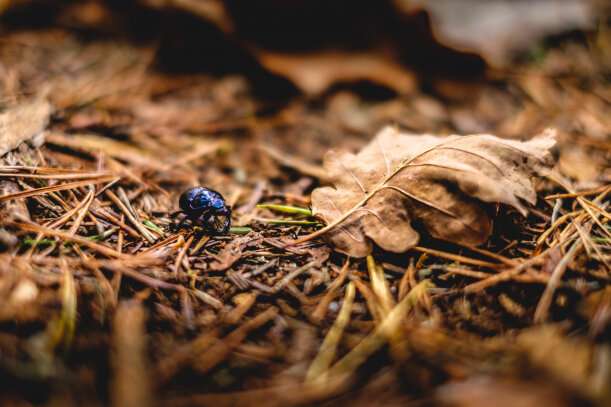

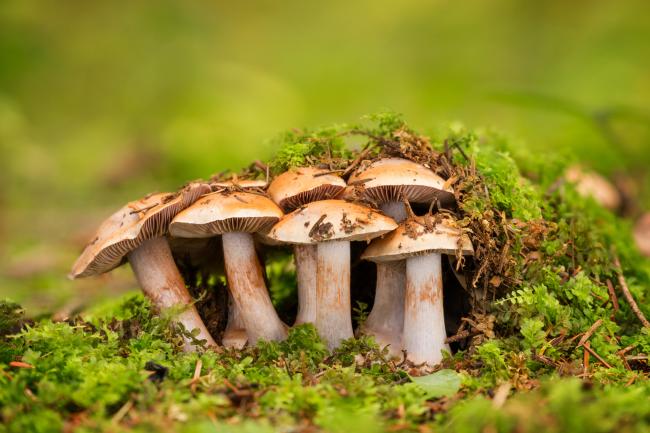 Introducing fungi to wheat boosted their uptake of key nutrients and could lead to new, 'climate smart' varieties of crops, according to a new study.
 The Israeli Acute Paralysis Virus is a pathogen that affects honey bees and has been linked to Colony Collapse Disorder, a key factor in decimating the bee population. Researchers have now analyzed in detail how the virus hijacks the cellular protein production machinery and misuses it for its own purposes. The research, published in The EMBO Journal, is an important step towards the development of strategies to fight the Colony Collapse Disorder.
 Blasts cause significant loses in wheat crops. Recently Bangladesh was devastated by an invasion of South American races of wheat blast fungus, which occurred for the first time in the country in 2016. The disease spread to an estimated 15,000 hectares (16% of cultivated wheat area in the country) and resulted in yield losses as high as 100%.
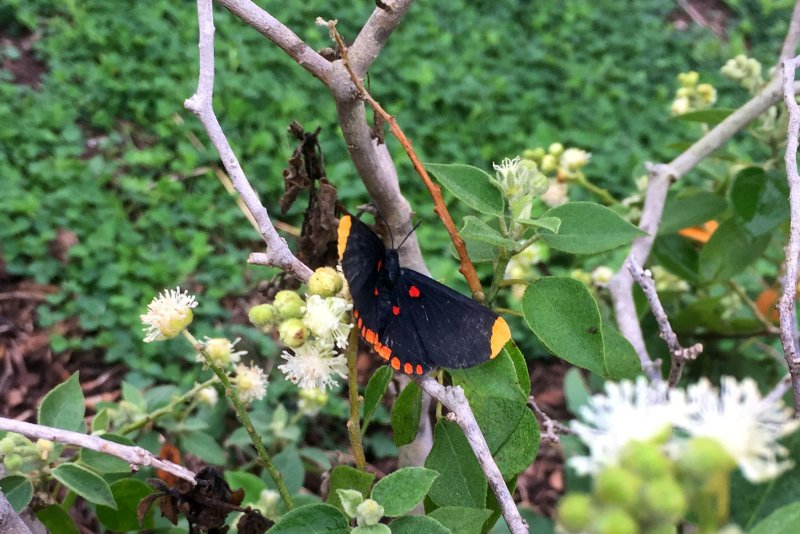 Human population density and land use is causing changes in animal genetic diversity, according to researchers at McGill University.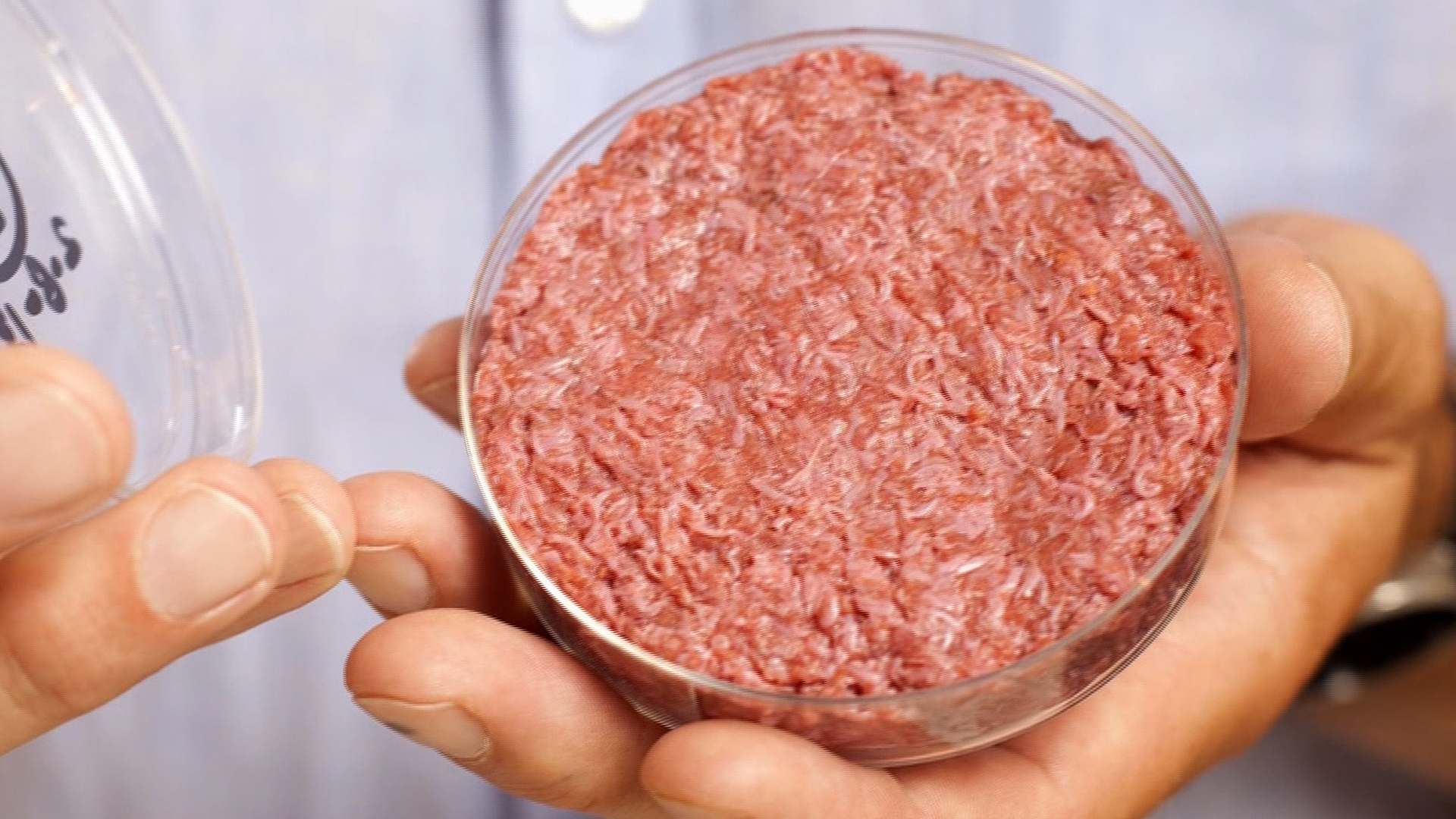
 Stubby roots, brittle branches, poor fertility -- these are some of the symptoms which can occur in the case of boron deficiency in plants. Thanks to transport proteins called Nodulin26-like-intrinsic-proteins (NIPs), modern seed plants can efficiently take up and distribute this essential micronutrient.

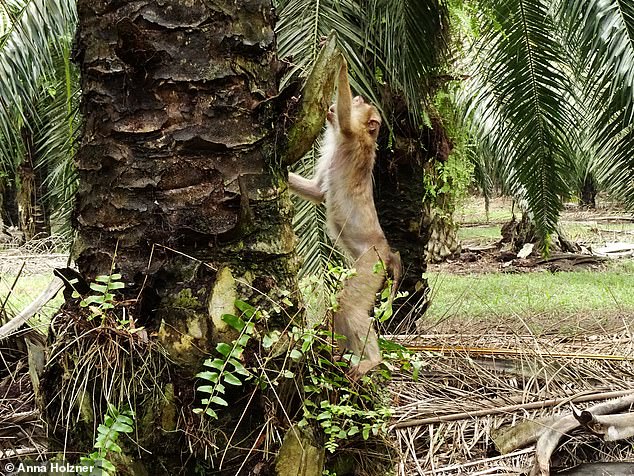 Found as an ingredient in many processed and packaged foods, palm oil is the most widely consumed vegetable oil. Now, researchers reporting in Current Biology on October 21 have discovered an unlikely ally for palm oil production: pig-tailed macaques.
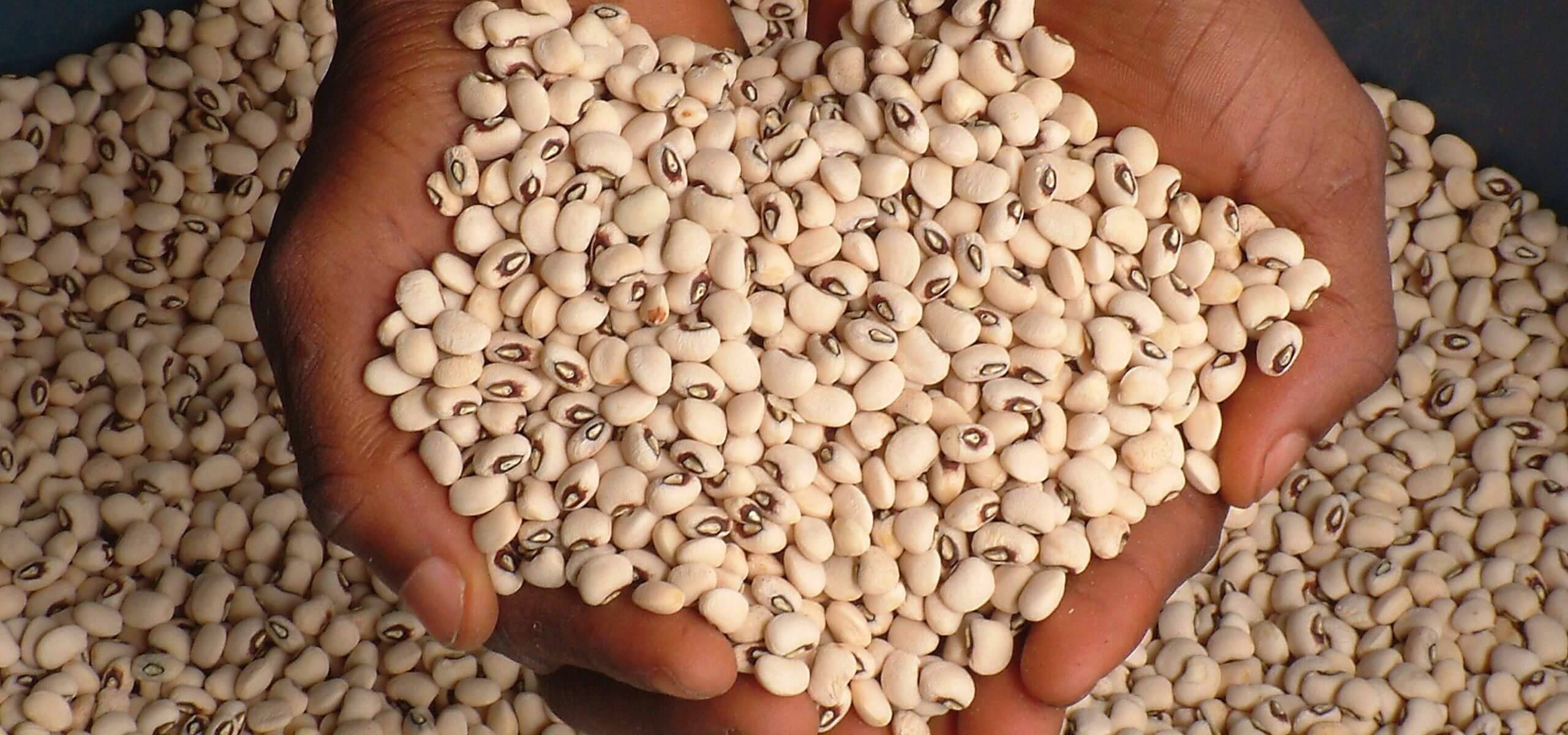 The Federal Government (FG) through her
National Committee on Naming, Registration and Release of Crops Varieties has
approved registration and release of a new Pod Borer Resistant (PBR) Cowpea
variety for commercialization. This was contained in a press statement jointly released
by the Agricultural Research Council of Nigeria (ARCN) and Institute for Agricultural
Research (IAR) Zamaru.
The Federal Government (FG) through her
National Committee on Naming, Registration and Release of Crops Varieties has
approved registration and release of a new Pod Borer Resistant (PBR) Cowpea
variety for commercialization. This was contained in a press statement jointly released
by the Agricultural Research Council of Nigeria (ARCN) and Institute for Agricultural
Research (IAR) Zamaru.
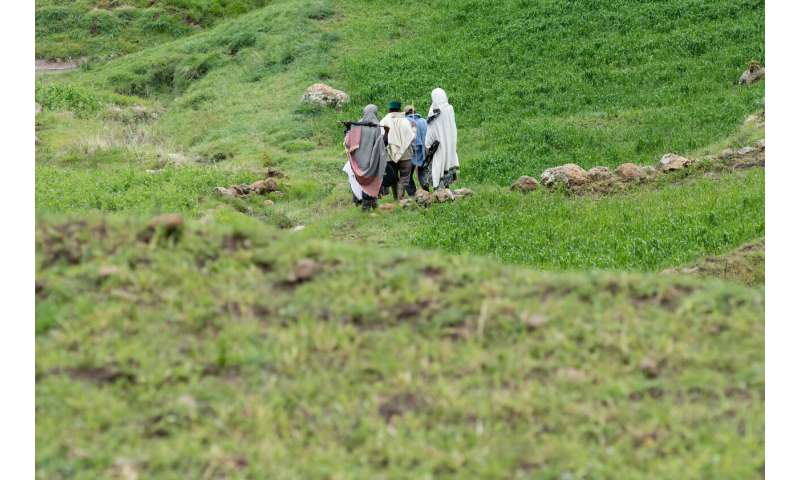 In the last decade, Ethiopia has invested more than US$1.2 billion annually in restoring landscapes in several regions of the country. But despite its big restoration initiatives, Africa's second-most populous country is still insufficiently tracking how projects have helped to recover and boost ecosystem services, a new study shows.
 The global average temperature has increased 1.4 degrees Fahrenheit over the last 100 years. In contrast, the Corn Belt of the U.S., one of the most agriculturally productive regions of the world, has experienced a decrease in temperatures in the summer during the growing season.
 Images speaks at the 2019 Farmers Field Day to show the performance of the Bt cotton, held at the NABDA Premises Abuja. see more images below....
 Tropical forests are under increasing pressure from human activity such as agriculture. However, in order to put effective conservation measures in place, local decision-makers must be able to precisely identify which areas of forest are most vulnerable.
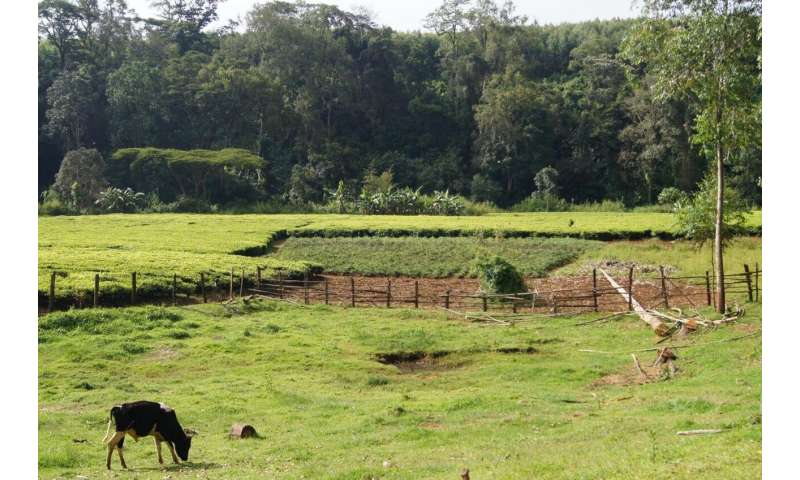 The native Napier grass could hold the key to improving diets, boosting farming yields and reducing greenhouse gas emissions in East Africa.
 Deformed Wing Virus (DWV), one of the leading causes of honey bee colony losses, is much more genetically diverse in the United States than previously thought, according to a study published by Agricultural Research Service (ARS) scientists in PLoS Biology.

 toxicity has long been known to damage plant cells and inhibit the growth of plants. Aluminum is widely found in soils that are too acidic, and as human activities have increased soil acidity across the globe, aluminum toxicity has become a leading cause of low crop yield worldwide.
  Mars once had salt lakes that are similar to those on Earth and has gone through wet and dry periods, according to an international team of scientists that includes a Texas A&M University College of Geosciences researcher.


 Widespread adaptation of healthier diets would markedly reduce the environmental impact of agriculture and food production, according to new research from the University of Minnesota and Oxford University.


 The stakeholders trading in shea nuts
and butters have advocated that the forces of demand and supply be allowed to
determined prices of the products saying it would enhance productivity. This
was contained in press statement issued and signed by the Head of secretariat,
National Shea Products Association of Nigeria (NASPAN) Mrs Aderemi Apatari.
The stakeholders trading in shea nuts
and butters have advocated that the forces of demand and supply be allowed to
determined prices of the products saying it would enhance productivity. This
was contained in press statement issued and signed by the Head of secretariat,
National Shea Products Association of Nigeria (NASPAN) Mrs Aderemi Apatari.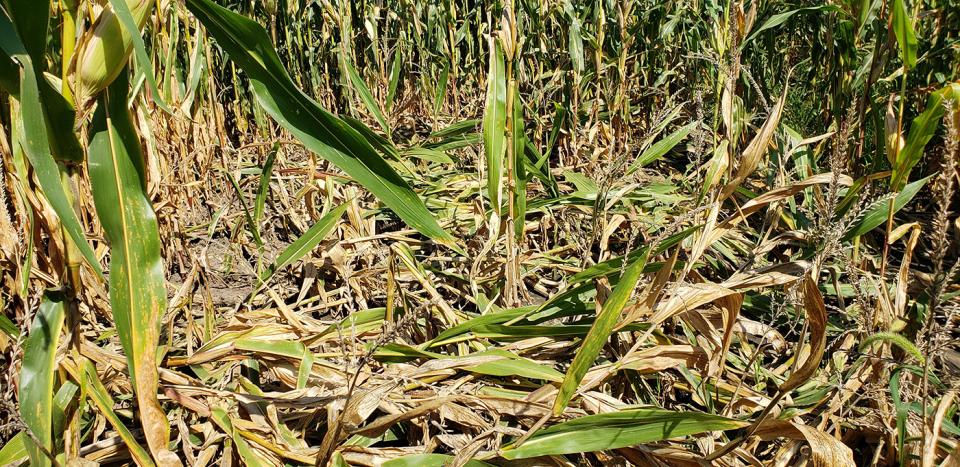 Corn is a staple feed and biofuel crop with a value close to $3.7 billion in the Michigan economy alone.
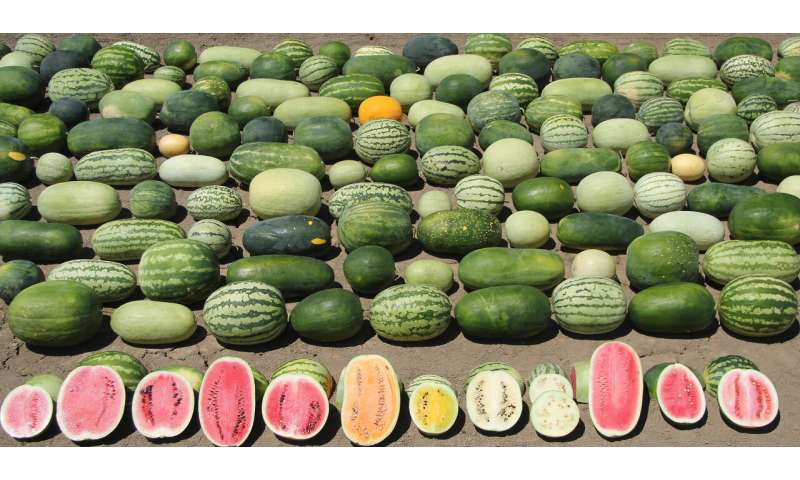
 There are over 500,000 plant species in the world today. They all evolved from a common ancestor. How this leap in biodiversity happened is still unclear.
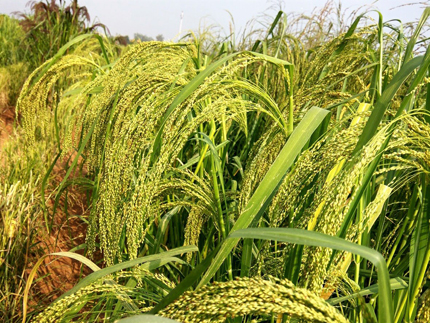 In the semi-arid tropics of Asia and Africa, conditions can be difficult for crops. Plants need to have short growing seasons, survive on poor soils and tolerate environmental stresses.
 Eagle talons are regarded as the first materials used to make jewellery by Neanderthals, a practice which spread around Southern Europe about 120,000 and 40,000 years ago.
